
Treasury
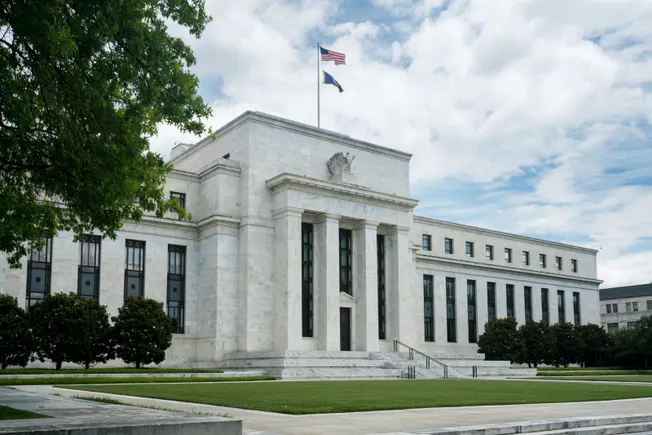
Economy grows ‘modestly,’ with consumers wary of rising prices: Fed
The Beige Book released by the Federal Reserve on Wednesday shows that the U.S. economy has expanded moderately since early July, with consumers limiting spending due to inflation concerns, and manufacturing boosted by military and AI product orders. Financial conditions have improved slightly, but auto sales are weak, and surging energy prices add to uncertainty.
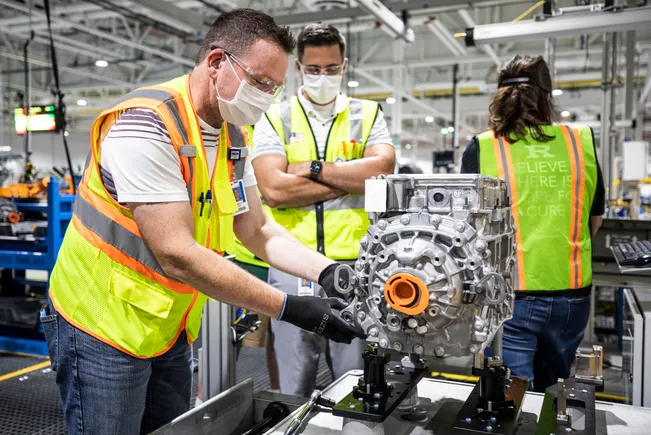
Job openings inch up as hiring slows, affirming labor market stability
The latest data from the U.S. Department of Labor shows that job openings rose slightly to 7.3 million in July, the hiring rate declined, but the layoff rate remained stable, with the overall labor market showing a steady trend. Federal Reserve officials stated that the economy is growing steadily, and inflation remains the focus of policy attention.

Warsh pledges to slow inflation to 2%, saying Fed may have ‘work to do’
Federal Reserve Chair Kevin Warsh said on Friday that to bring inflation back to the 2% target, the Fed may still need to 'act,' adding that current financial conditions are not 'restrictive.' This stance boosted market bets on a September rate hike, but EY Chief Economist Gregory Daco believes traders are overreacting and expects the Fed to hold steady for the rest of the year.

Inflation holds steady, giving Fed room to leave main rate unchanged
The US core PCE price index rose 0.2% month-over-month and 3.3% year-over-year in July, with stable inflation providing room for the Fed to hold rates steady at its September meeting. Although some policymakers are concerned about inflation, most officials lean toward waiting for more data.

Consumer confidence wanes on dimming view of jobs, incomes, business
The monthly survey released by The Conference Board on Tuesday showed that the U.S. consumer confidence index dropped to 89.4 in August, declining for the second consecutive month, reflecting heightened pessimism among the public about employment, income, and business prospects. The report noted that high inflation, rising interest rates, and ongoing geopolitical conflicts continue to squeeze household budgets, with middle- and low-income groups feeling the impact most acutely.

Firms may shrink healthcare plans to avoid 11.1% cost bump, WTW says
The WTW survey preview shows that employers may control the 2026 plan cost increase to 9.7% by reducing medical benefits, lower than the expected 11.1%. The survey found that nearly half of employers expect significant changes to medical programs in the next three years, but most are unwilling to take disruptive actions. Meanwhile, an Aon report shows that employee medical costs have doubled since 2022, with the average plan cost reaching $14,432 in 2026.

US business activity surges to 52-month high: S&P Global
S&P Global's August composite PMI rose to 56, a 52-month high, as a strong services rebound offset manufacturing slowdowns caused by supply delays and inventory cuts. However, while the Conference Board's leading indicators edged up, consumer expectations continued to deteriorate, with the University of Michigan consumer sentiment index falling 8% this month and July retail sales down 0.6% month-over-month. Goldman Sachs expects real consumption growth to slow in the second half, but full-year GDP growth can still hold at 2.1%.

Many Fed officials flagged inflation threat, possible need to hike rates
美联储公布的7月会议纪要显示,多数官员对持续通胀表示担忧,并认为若通胀不下降,未来可能需要收紧货币政策。尽管近期通胀数据有所缓和,但部分官员仍坚持鹰派立场,呼吁立即加息以将通胀拉回2%目标。

US manufacturing grows at steady pace, led by business equipment: Fed
US manufacturing grew at a steady pace in July, led by business equipment output, according to the Federal Reserve. Industrial production rose 0.2% for the month, matching manufacturing growth, though retail sales and consumer sentiment weakened, raising concerns about economic momentum.

Executives put the spotlight on AI’s reliability issue
A report released Monday by HFS Research and TCS shows that among more than 100 C-suite and technology executives surveyed in the United States and Canada, only one-third believe AI can consistently deliver expected results and gain trust from all parties, one-quarter have the governance and control needed for expansion, and one-sixth trust autonomous AI to handle critical work. The report emphasizes that human intervention strategies and business-outcome-based evaluations are key to building reliable AI.