
Deep Dive
来自我们记者的行业洞察

A CFO's Guide to Financing: Five Strategies to Seize the Current Window of Abundant Capital
Currently, the U.S. market is flush with capital, interest rates are at historic lows, and the corporate financing environment is favorable. However, expectations of economic recovery may push up the cost of capital, so CFOs should seize the window to review their balance sheets and adjust their debt and equity mix. Drawing on advice from multiple financial executives, this article proposes five strategies: comprehensive scenario planning, extending debt maturities, telling a forward-looking story, understanding capital partners, and answering calls from capital providers.

How volunteer cyber experts are helping protect rural water systems
A volunteer initiative aimed at helping water facilities defend against cyberattacks not only strengthened the defense capabilities and confidence of a few participating units but also provided important insights into the industry's common difficulties and the most practical solutions. The project was jointly launched in late 2024 by the DEF CON hacking conference, the University of Chicago Harris School of Public Policy, and the National Rural Water Association.

7 CFO risks from the high-stakes adoption of AI
As companies accelerate the deployment of artificial intelligence, CFOs face unprecedented financial and competitive pressures. Based on interviews with multiple CFOs and technology experts, this article systematically reviews seven key risks in AI applications, from difficulty in measuring return on investment to governance loopholes in 'shadow agents,' providing financial leaders with a risk checklist and response strategies.

Peril and promise: The high-stakes CFO challenge of AI adoption
With global AI spending projected to reach $2.6 trillion by 2026, CFOs face unprecedented decision-making pressure. Although most enterprises have experimented with AI, few have achieved mature adoption. Based on data from Gartner, McKinsey, Protiviti, and other institutions, as well as interviews with multiple CFOs, this article explores the actual returns of AI in financial functions, divergent employee attitudes, and potential risks, emphasizing the necessity of cautious advancement and continuous learning.

Digital ID and payments turn to your face
With the deep integration of digital wallets and identity authentication, facial recognition is becoming a key path for payments and identity verification. Tech giants such as Apple and Google are driving digital ID applications, with 22 U.S. states and Puerto Rico authorizing mobile driver's licenses, and TSA's PreCheck Touchless ID covering 65 airports. The FIDO Alliance report shows that there are 5 billion active passkeys globally, and Visa states that biometric payments have become mainstream. However, cultural differences, privacy concerns, and trust building remain key obstacles to widespread adoption.

CPA pathways: Class of 2026 weighs in
With AI disrupting finance roles and large-scale changes to CPA licensure rules, accounting graduates of the Class of 2026 stand at a career crossroads. Since early last year, approximately 43 states have passed legislation or modified rules to relax or replace the 150-credit requirement. CFO Dive interviewed six prospective CPAs who, drawing from personal experiences, offered diverse perspectives on the pros and cons of the new pathways, the industry's future, and AI's impact.
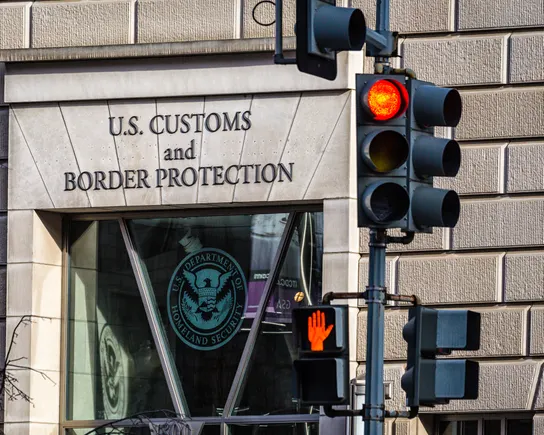
CFOs face tricky tariff refund questions as process gains steam
The U.S. federal government's tariff refund process is advancing rapidly, having processed billions of dollars in claims, but CFOs are facing new challenges such as accounting recognition, tax treatment, and potential litigation.

4 CFO tips for thriving despite volatile dollar, end of ‘Pax Americana’
The dollar has declined 10% over the past year, and the appeal of U.S. assets is diminishing. CFOs must adapt scenario planning to manage higher capital costs, currency risk, and ongoing volatility. This article provides four actionable suggestions.

Top 5 AI adoption challenges facing CFOs in 2026
In 2026, enterprise AI deployment shifts from experimentation to accountability and governance. KPMG and PwC point out that early AI initiatives have yielded mixed results, and CFOs face five major challenges: unclear return on investment, governance gaps, workforce disruption, technical debt, and regulatory uncertainty. Gartner predicts global AI spending will reach $2.52 trillion, but only 12% of CEOs say AI has delivered both cost and revenue benefits.

Will 2026 be a decisive or disruptive year for CPA pathways?
A year ago, Ohio pioneered reforms to the CPA licensure path, and now 25 states have followed suit. In 2026, more states are expected to adopt the new rules, but challenges such as mobility fragmentation, deregulation controversies, and unclear implementation details persist. This article outlines the five key forces influencing the expansion of the CPA pathway.